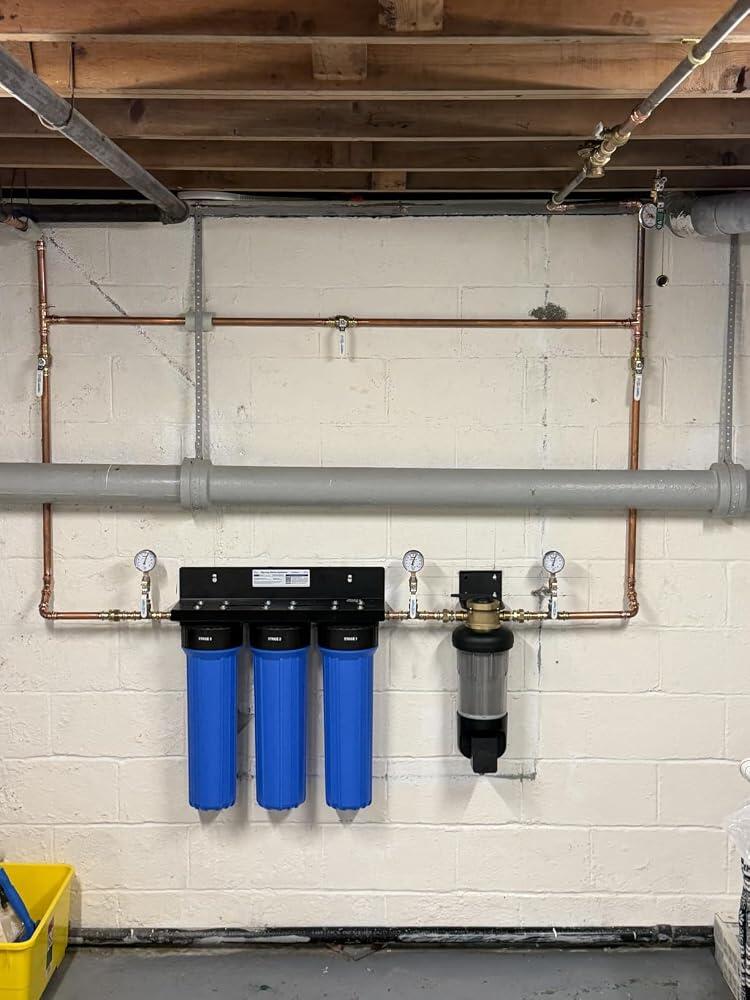
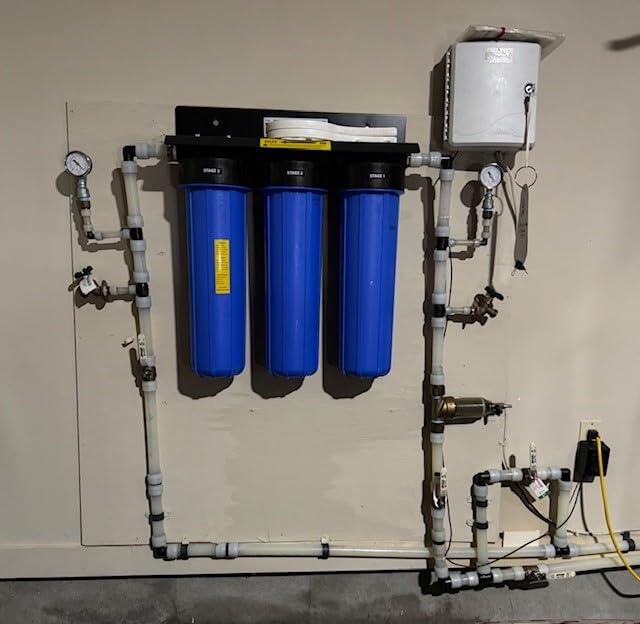
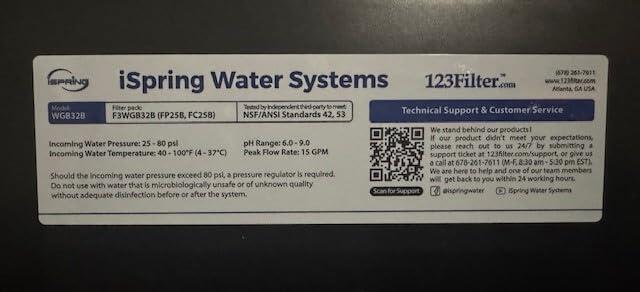
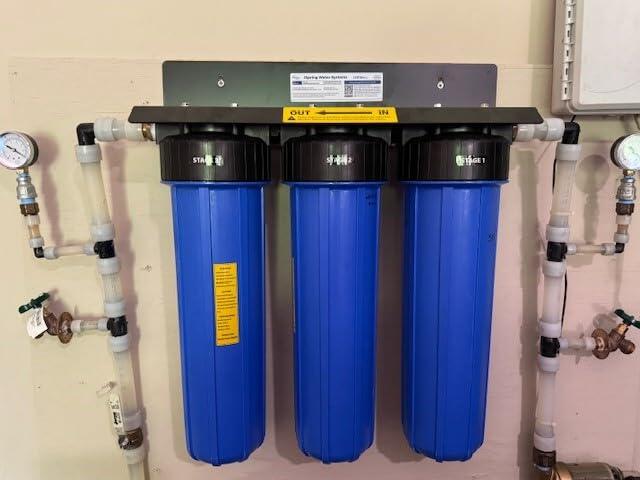
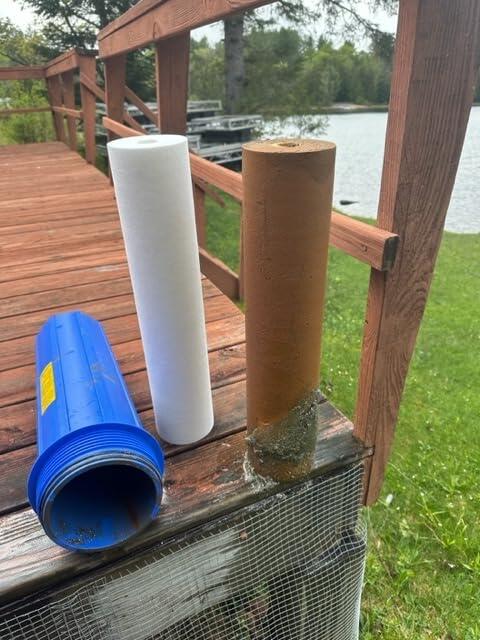
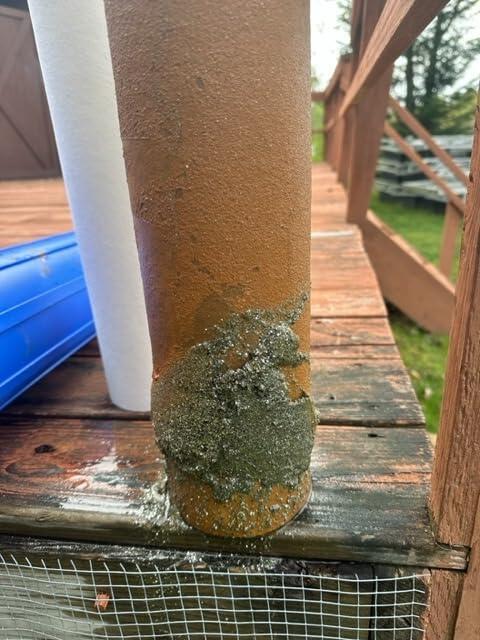
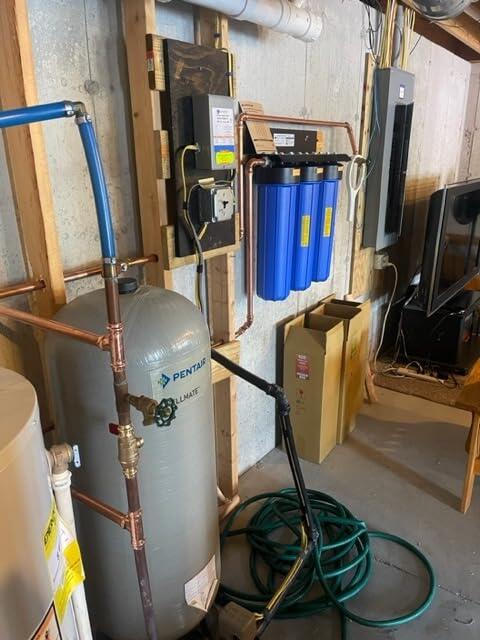
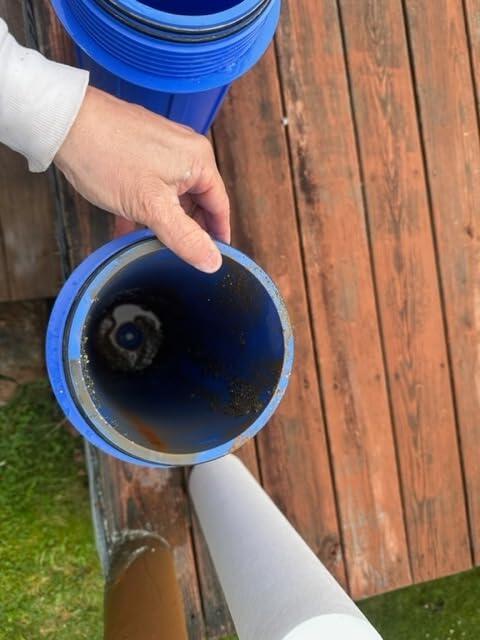
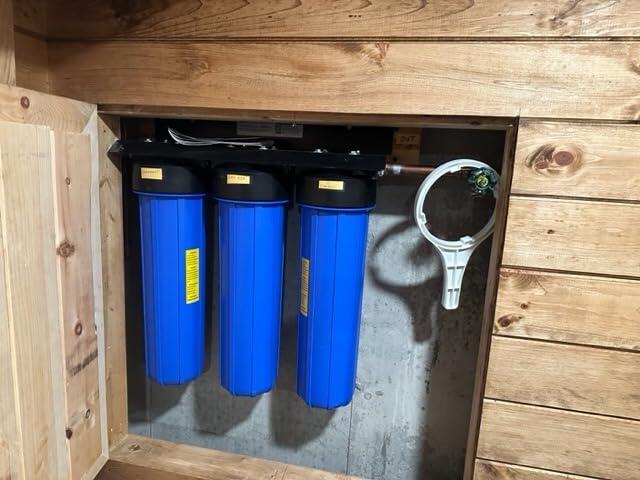
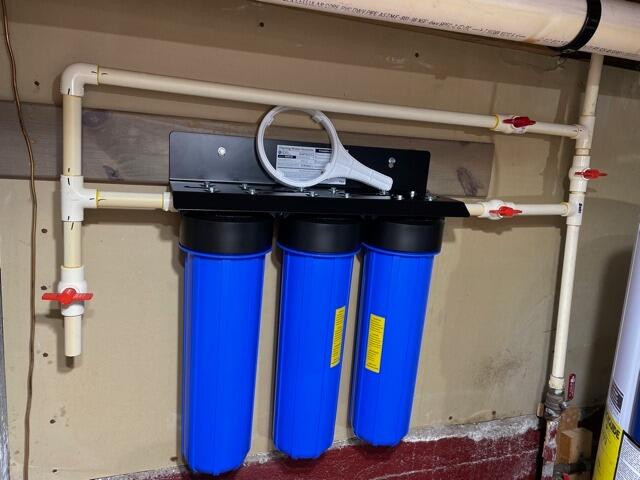
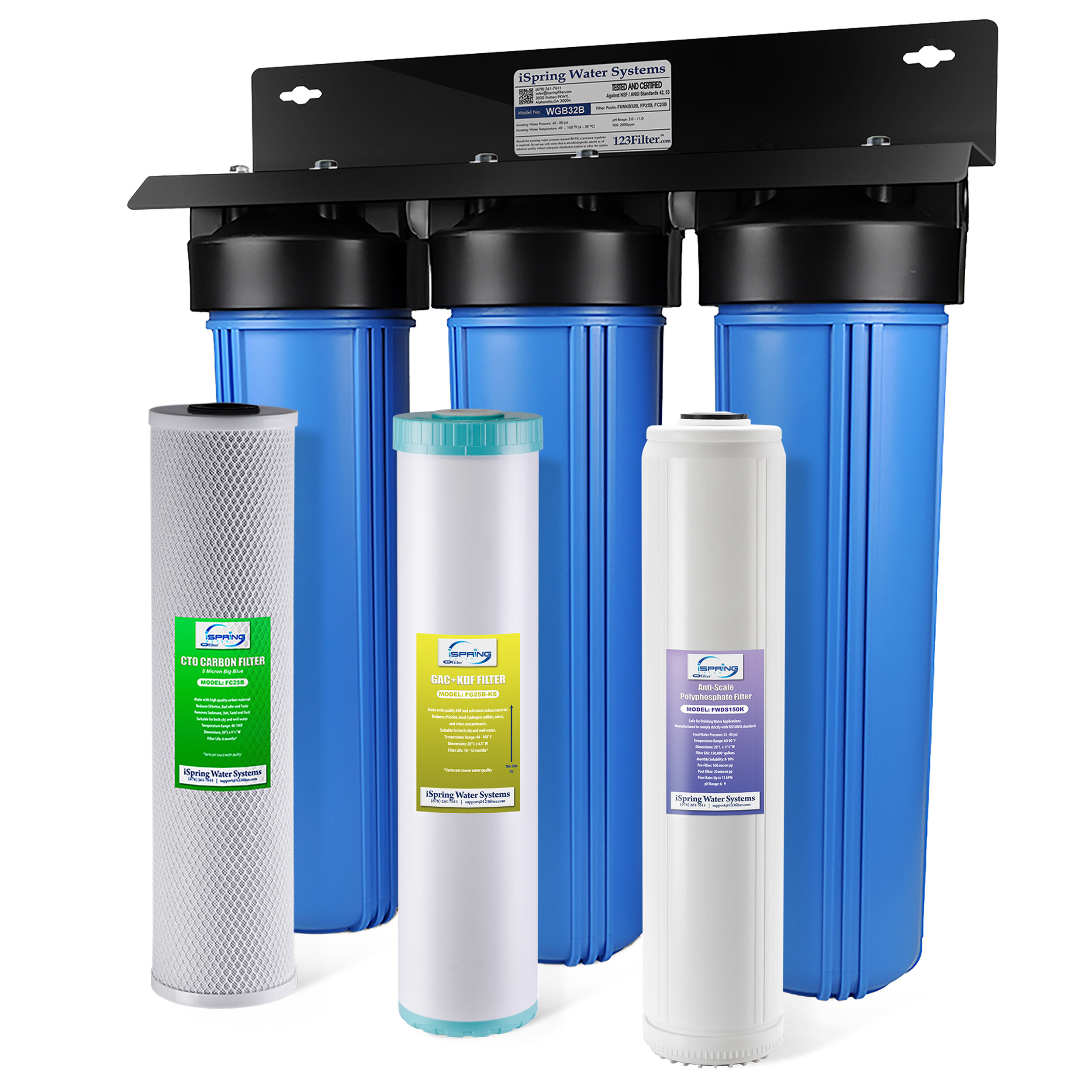
We live in a small town that has experienced frequent periods of discolored water for decades. We'd see it in our toilets, sinks, and bath tubs, knowing it is in our food as well. It would last a couple days and be gone. We purchased a 10' x 10' x 30" kiddie pool for the grandchildren, set it up, filled it, and the water color was disgusting. It was almost the color of tea. We drained the pool, washed it out, and purchased a small filter that attaches to the garden hose. Refilled the pool again and the water was again discolored, but not as bad. Drained the pool again and put it away until we could resolve the water issue. We didn't need a water softener, nor did we want the purchase and upkeep expense for those types of systems. We did research online and found that iSpring filter units kept popping up as one of the top three best rated whole house filters. They're competitively priced and installation looked straight forward. We found the unit that we believed best suited our needs and purchased the model WGB32B unit off Amazon. This unit came with three filters; 5 micron particulate and two carbon filters. It arrived in a few days, and after reading the instructions I decided to install it myself. Our house has CPVC water piping so that made things easier. A trip to the hardware store for $50 worth of pipe and fittings and we were ready to be "plumbers". I first mounted the manifold unit (minus the filter housings) securely to the wall next to the main water supply line. Don't skimp on secure mounting as this unit is fairly heavy (maybe 40 lbs dry), even with out being full of water. I laid out the piping and fittings in the configuration I'd draw up before starting, cut the piping after some measuring, and "dry fit" (not glued, only hand fastened) everything together. After some adjustments, I shut off the water main, drained the pressure, and as much water that would drain. I cut into the CPVC main line at a predetermined place, drained residual water, dried the piping off, and started installing the piping and fittings, gluing them together starting at the main water pipe and working my way around the filter piping system. Once together, I allowed the glue to cure for an hour. While waiting for the glue to cure, I installed the cartridge filters into the housings and installed them onto the manifold, snugging them with the included wrench. After an hour, time for the leak test. I had all faucets in the house open. I slowly cracked open the main water inlet valve and slowly closed each faucet in the house. I could hear water filling the cartridges as the air was being pushed out of the system. Once the air was purged, and all faucets closed, the system came up to full house pressure. No leaks! I closed the filter bypass valve and we opened the closest faucet to the iSpring system and allowed water to flow for 10 minutes as instructed in the directions to flush out any carbon particles (didn't notice any visual carbon particles). Checked for leaks again. All good! We ran water in each faucet to flush the house system for about 15 minutes. Checked for leaks AGAIN. All good. Still not leaks.A couple installation notes:1) For the threaded connections on either end of the manifold, I used 12 wraps of Teflon pipe tape AND a coat of good pipe sealant on top of the tape. The instructions said this could be a leak point, so I took no chances. I carefully tightened the adaptors into the ends of the manifold. I did not "bottom them out", but was a few ticks tighter than "snug". The manifold is a type of heavy plastic. I was using PVC fittings, but if you're using metal, be careful. Over tightening could crack the manifold.2) As stated above, use heavy hardware to fasten the unit to the wall. I used a 2" x 10" board screwed into the wall studs with nine #9 x 3" deck screws, then lag bolted the manifold to the the board. The heavier the better. Do not use wall anchors in drywall! Do not use small screws such as drywall screws! If you have to, build a mounting bracket.3) I installed a low point drain on my system. When it comes filter changing time, I wanted to be able to close the inlet and outlet filter valves, open the bypass valve, drain the pressure and and much water out of the manifold as possible. I can also use this as a low point drain for the house system if that's ever needed. I encourage you to do this as well.4) I did not install union fittings in my system. This would allow removal of piping without the need to cut the pipe. If I had anything that I'd change, that would be it. I trusted my threaded sealant and gluing, but any leaks and I'd been cutting CPVC pipe out to fix the leak(s).We've only had our iSpring system up and running for one day, but we could tell a difference immediately. The water in our white porcelain toilets is actually CLEAR. It'll be interesting to see how long the particulate filter lasts in the conditions we experience with our city water. I expect 6 months with our city w...









 WGB32B-KDS
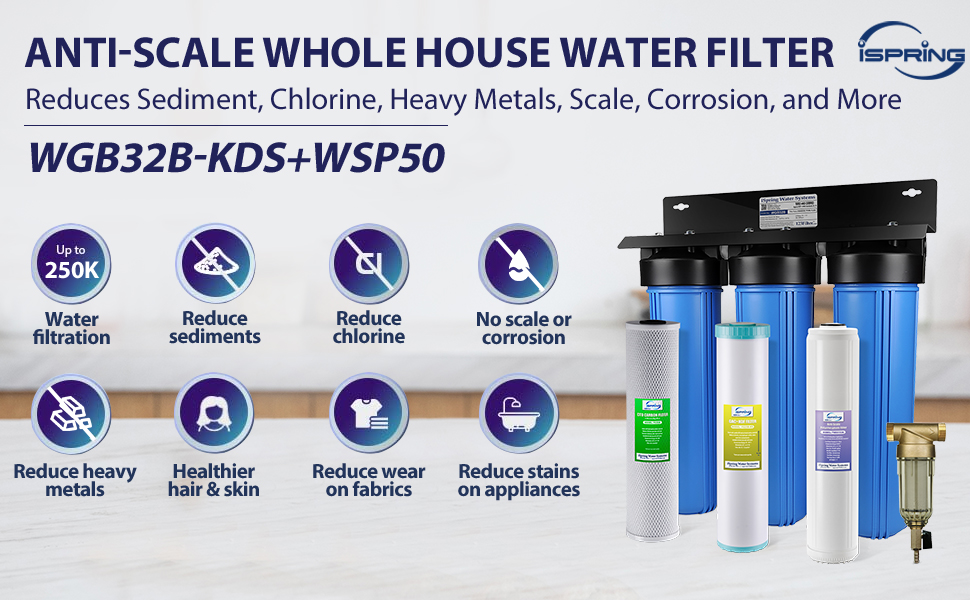
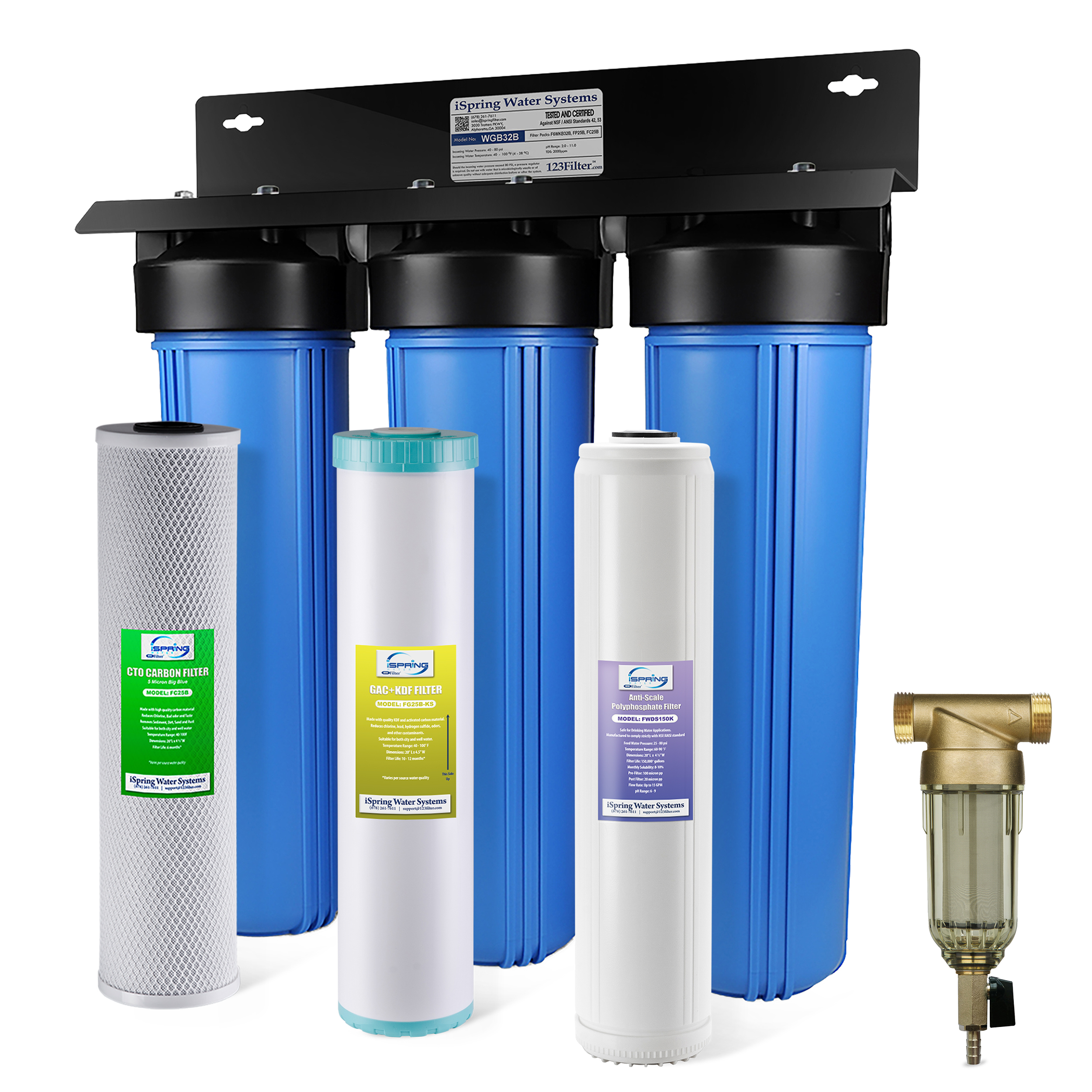 WGB32B-KDS WSP50
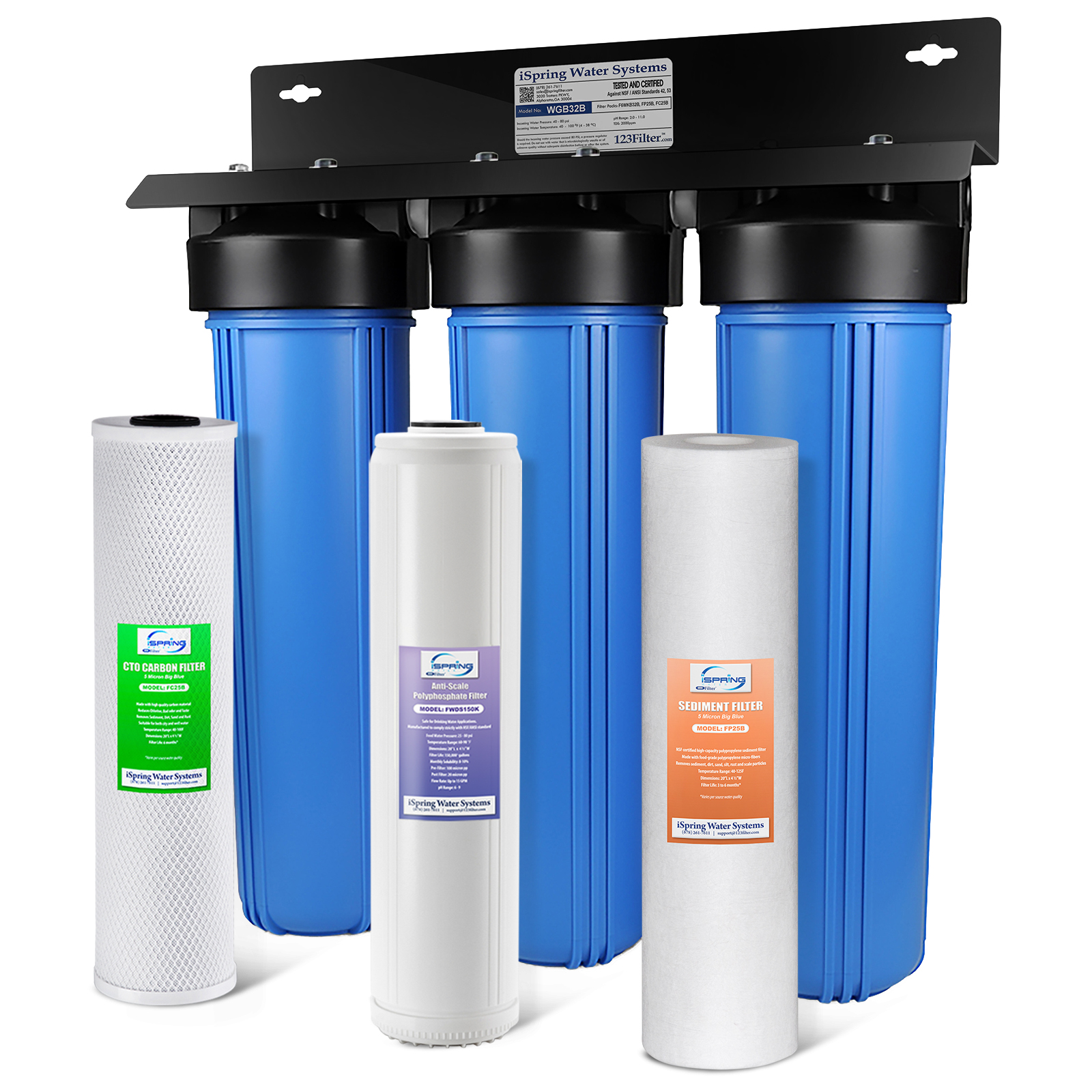 WGB32B-DS
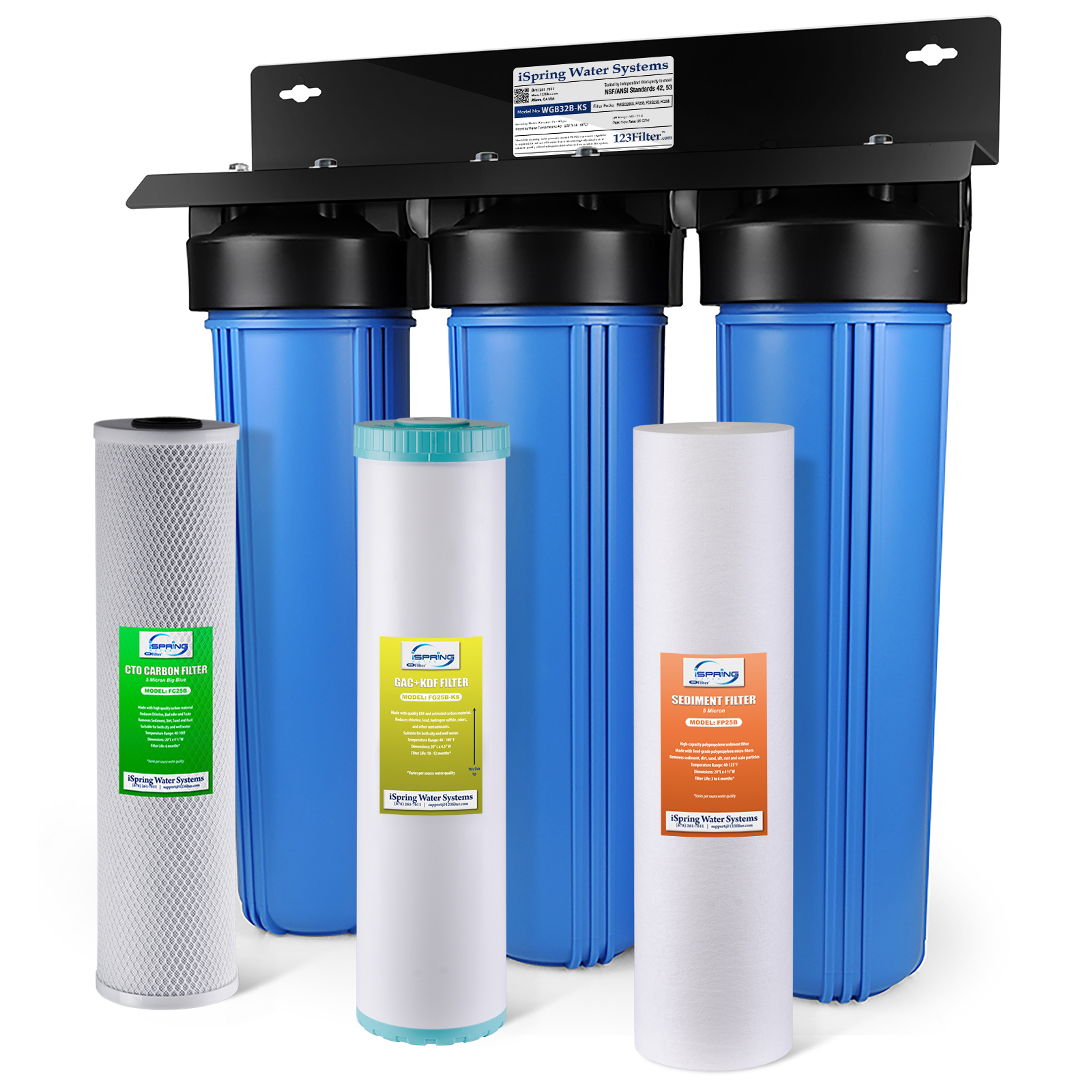 WGB32B-KS
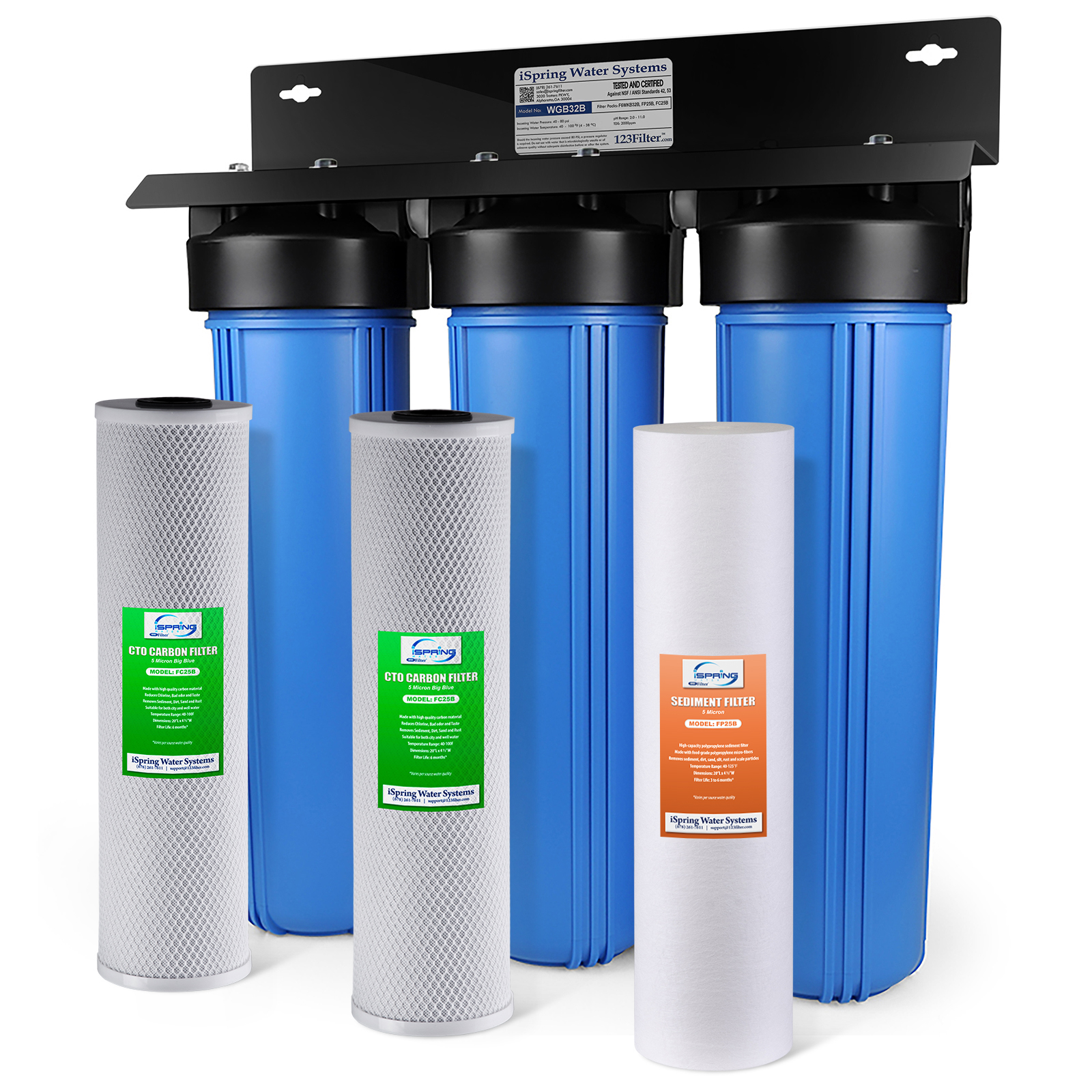 WGB32B
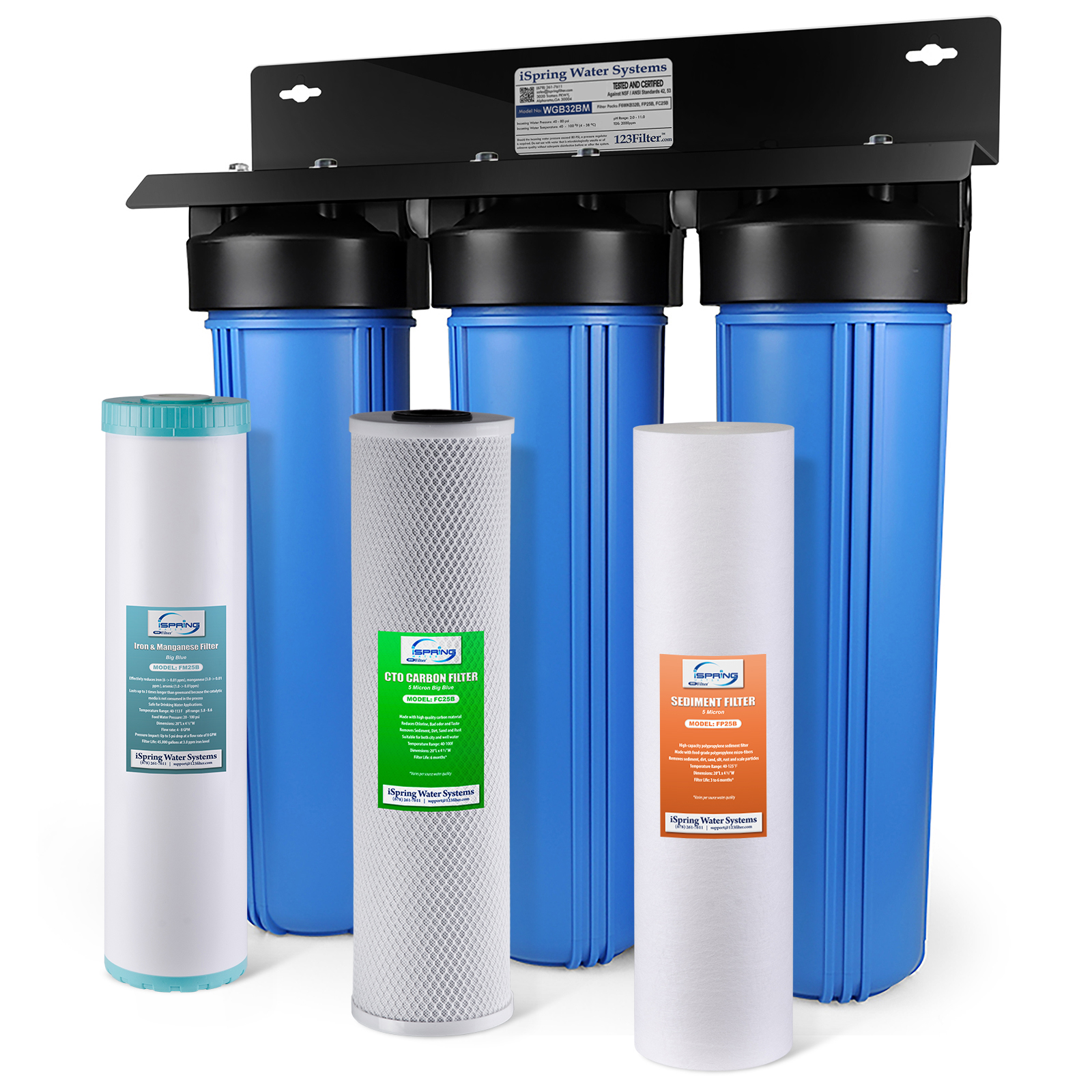 WGB32BM
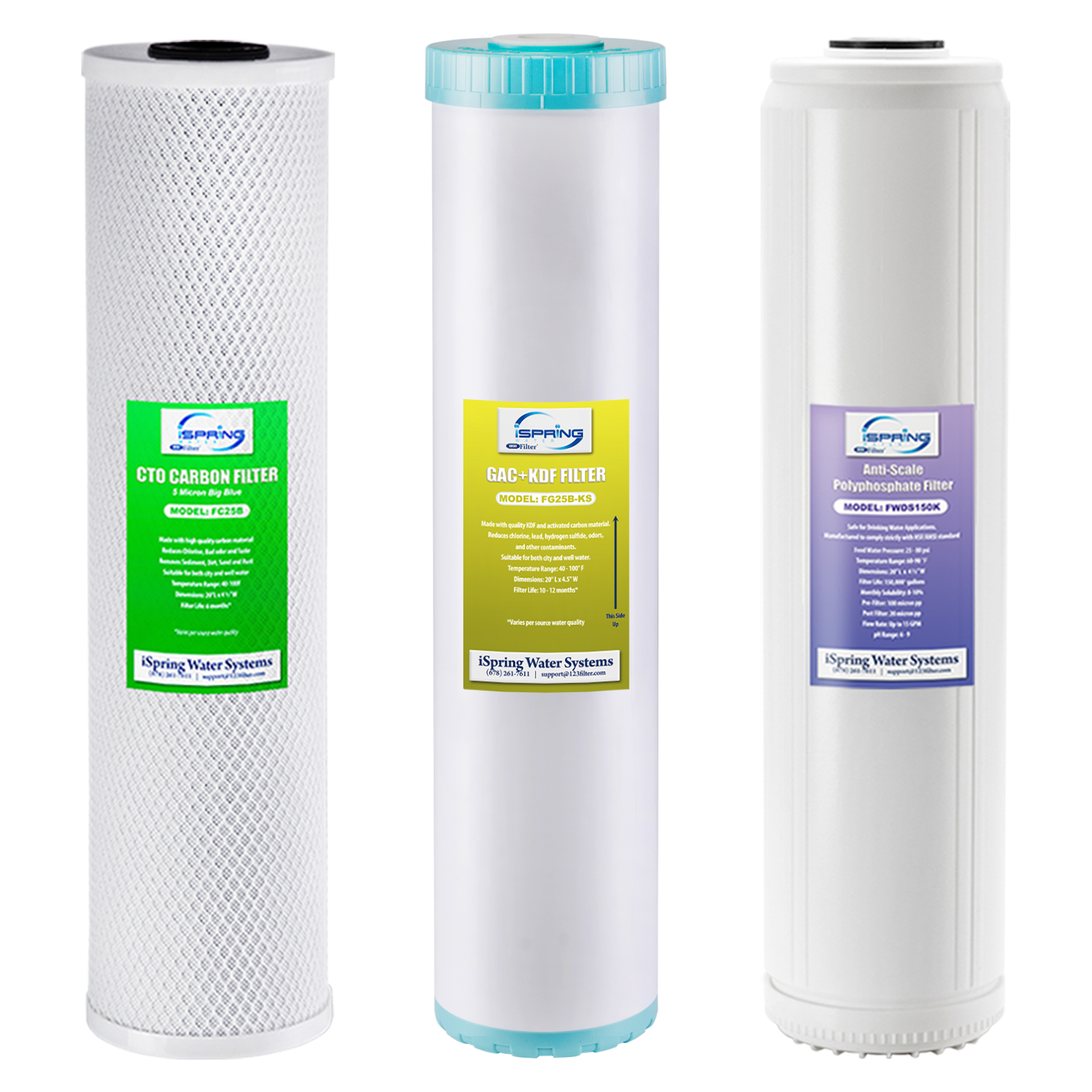 F3WGB32BKDS
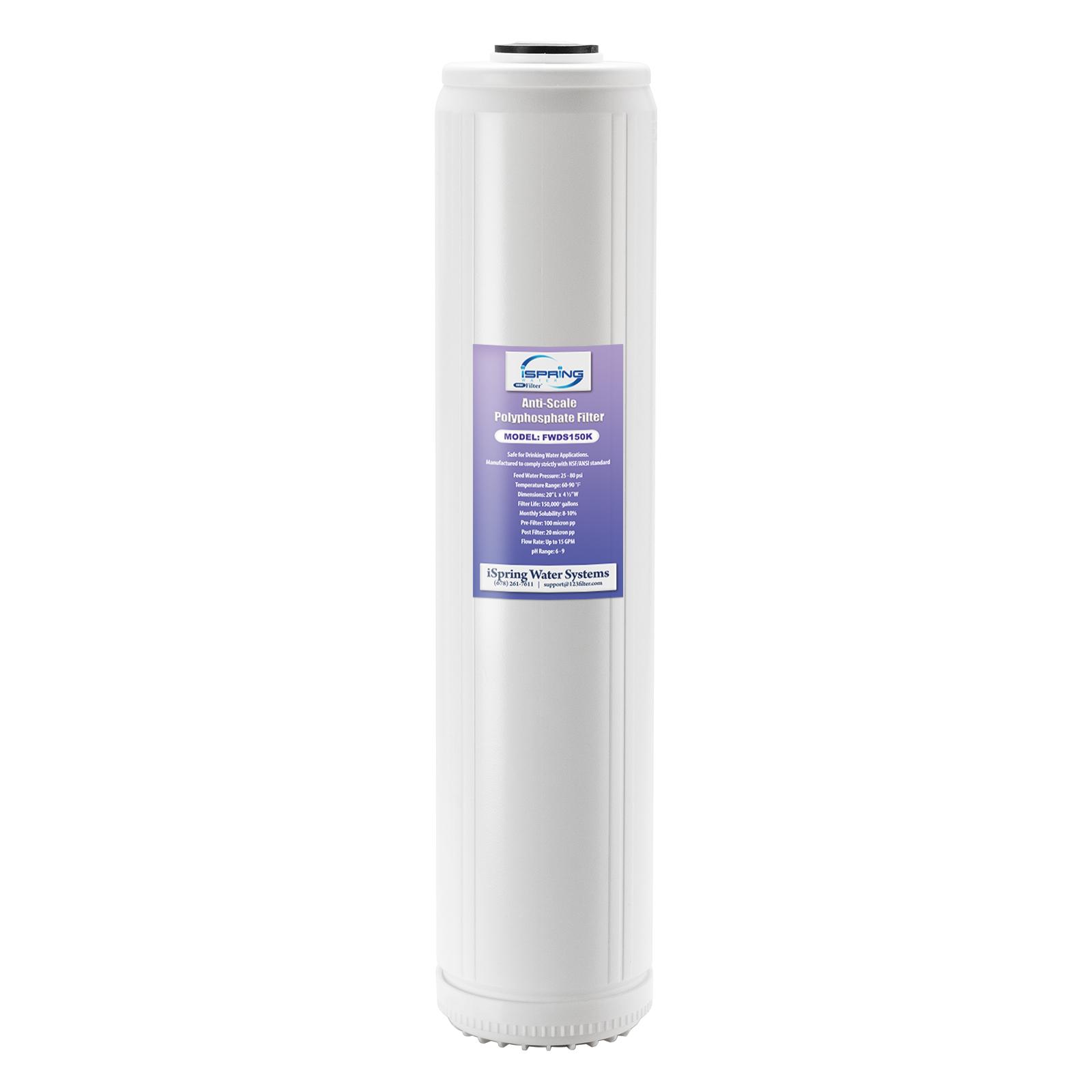 FWDS150K
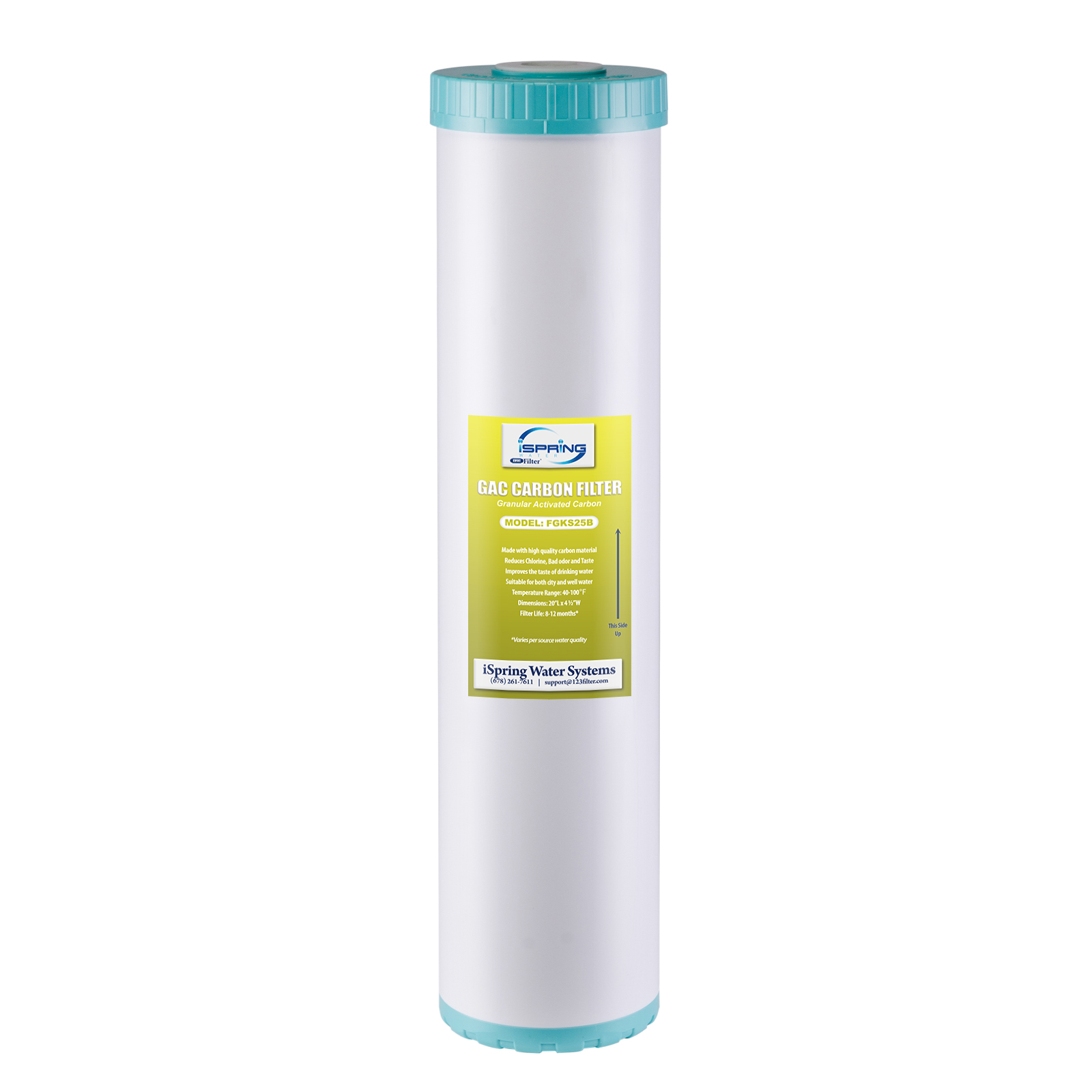 FG25B-KS
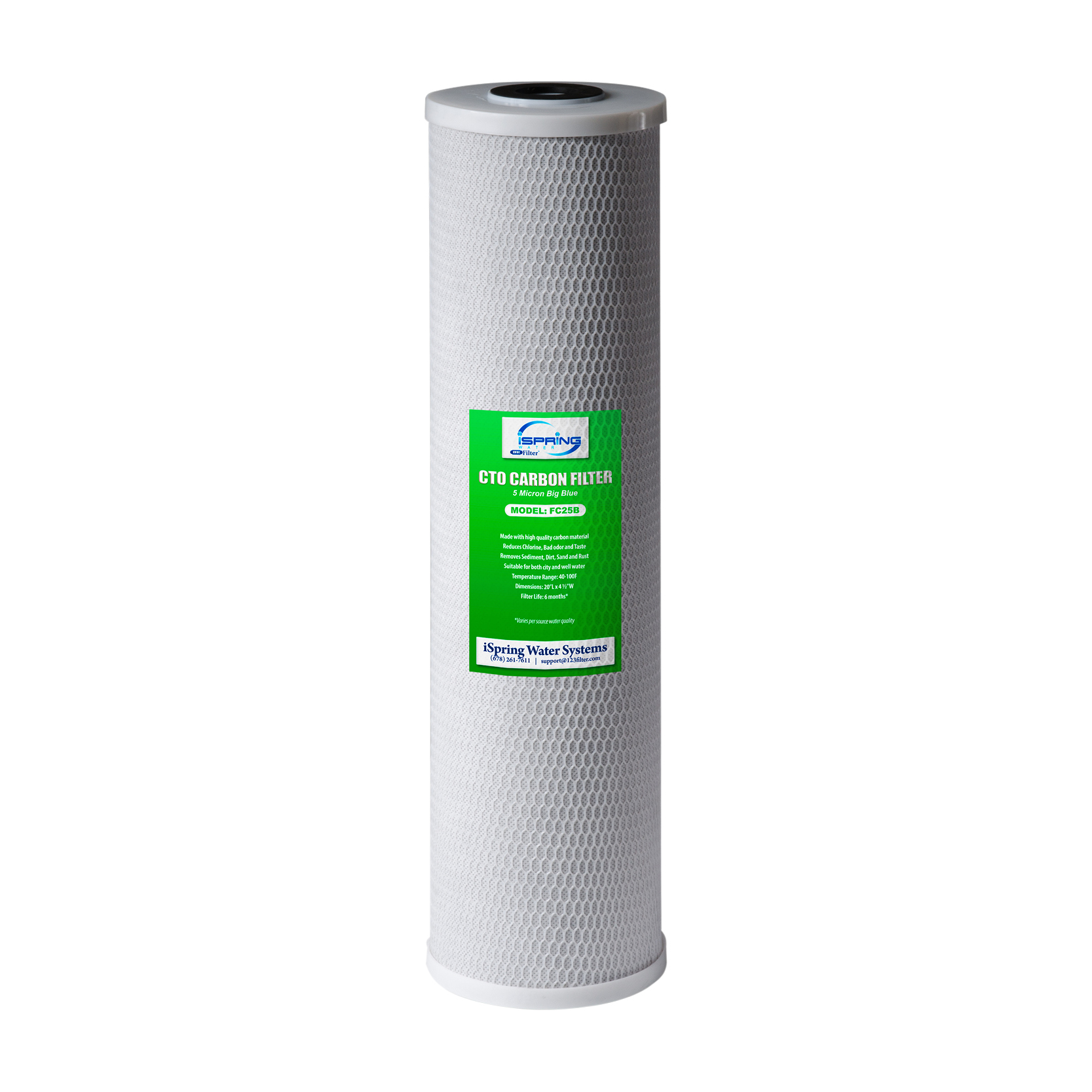 FC25B
 LS43WL
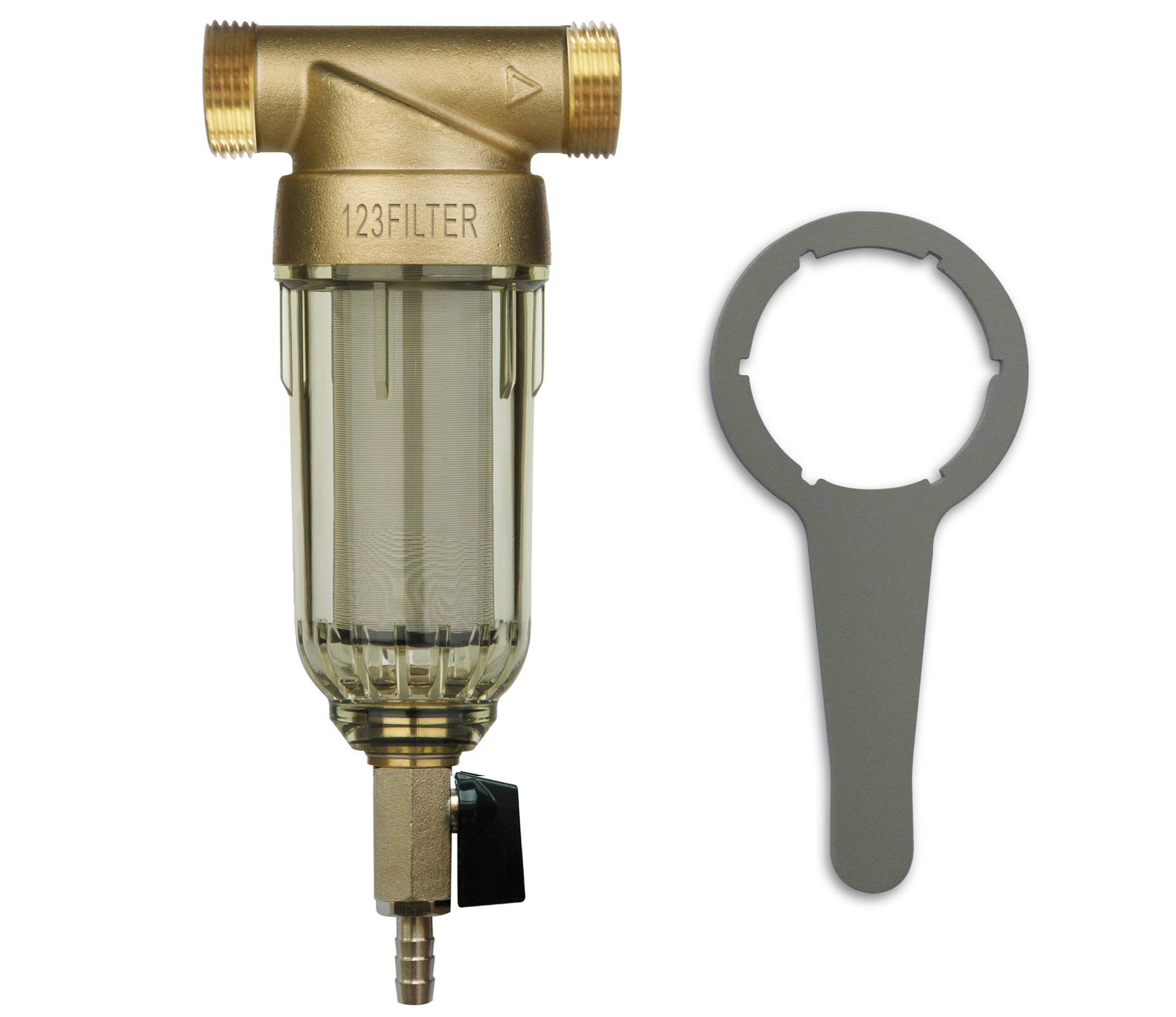 WSP50
 AFLT3